
Fort Lauderdale blends seaside leisure, vibrant arts, and a bustling maritime economy into a coastal destination that appeals to travelers and locals alike. Known for its wide sandy beaches and extensive canal system, the city offers a mix of outdoor recreation, waterfront dining, and cultural attractions—plus easy access to nearby natural wonders.
Beaches and waterfront life
The city’s shoreline remains a major draw. Broad, palm-lined beaches are perfect for sunbathing, swimming, and watersports. For a more active day, paddleboarding and kayaking through calmer inlets or guided eco-tours into nearby coastal mangroves are popular options.
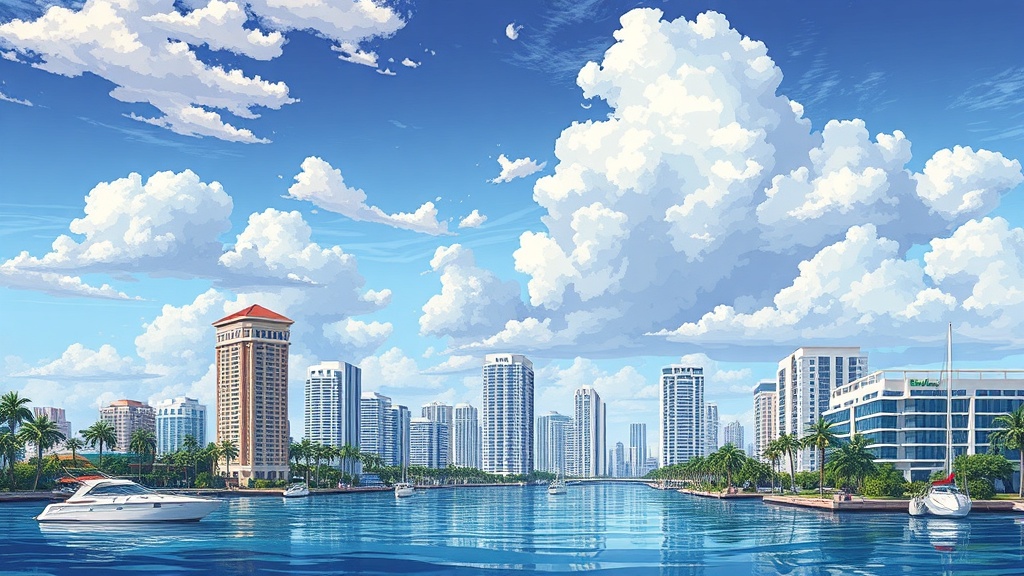
Water taxis and boat rentals provide a scenic way to explore the Intracoastal Waterway and reach waterfront bars and restaurants that line the canals.
Las Olas Boulevard and shopping
Las Olas Boulevard is the heartbeat of downtown shopping and dining.
Boutiques, art galleries, and cafes cluster along the boulevard, creating a walkable corridor that’s ideal for browsing and people-watching. After sunset, the area lights up with a lively restaurant scene that ranges from upscale seafood to casual bistros and dessert spots.
Arts, culture, and events
The arts scene has been expanding beyond traditional museums into creative districts and pop-up galleries. Independent art spaces and design studios host openings and street festivals that draw a diverse crowd.
Performance venues and film series add to the cultural calendar, offering regular opportunities to experience live music, theater, and cinema.
Marine industry and cruising
Fort Lauderdale’s maritime identity goes beyond leisure.
The Port area serves as a major embarkation point for cruise travelers, and the local boat-building and yachting sectors are world-renowned. Monthly and seasonal boating events attract enthusiasts and professionals, making the city a hub for marine innovation and luxury yacht services.
Outdoor recreation and nature access
Just a short drive from the city, expansive wetlands and protected areas invite visitors to explore the region’s unique ecosystems. Airboat tours, guided wildlife excursions, and birdwatching are accessible ways to connect with the Everglades and coastal habitats.
Urban parks and the Riverwalk offer green space for jogging, picnicking, and waterfront strolls.
Sustainability and resilience
Coastal communities face environmental challenges, and Fort Lauderdale has been investing in resilience measures to protect infrastructure and preserve natural resources. Efforts include shoreline stabilization, improved stormwater systems, and initiatives to enhance public access to green space while promoting responsible tourism and marine conservation.
Food and drink scene
Dining options reflect coastal abundance and international influences. Fresh seafood dominates menus, but global flavors—Latin, Caribbean, and Mediterranean—are well represented. Craft breweries and creative cocktail bars have also multiplied, offering local takes on classic drinks and seasonal small-batch brews.
Practical tips for visitors
– Getting around: Walkable districts, bike-share programs, and water taxis make it easy to navigate the city without a car.
Rideshare services cover broader areas.
– Best times: Weekday mornings are typically quieter for beach visits and museum trips; evenings are ideal for dining and nightlife.
– Planning ahead: Popular waterfront restaurants and charter boats can fill up fast; reservations are recommended for peak periods.
Whether the draw is the sun and surf, the lively arts and dining scene, or the maritime culture, Fort Lauderdale continues to evolve while maintaining the relaxed, coastal character that keeps people coming back.
