Everglades Restoration: Restoring the River of Grass to Protect Wildlife, Water, and Coasts

The Everglades remains one of the planet’s most distinctive and fragile ecosystems — a broad, slow-moving “river of grass” that supports rare wildlife, stores carbon, and protects coastal communities. Its future hinges on restoring natural water flow, improving water quality, and adapting to rising seas and changing rainfall patterns.
Why the Everglades matter
This mosaic of sawgrass marshes, mangrove forests, marl prairies, and coastal estuaries is a biodiversity hotspot.
Iconic species like the Florida panther, American crocodile, West Indian manatee, and scores of wading birds depend on seasonal water pulses that concentrate fish and nutrients. The Everglades also acts as a natural filter, replenishing aquifers that supply water to millions, and sequesters carbon in peat and mangrove soils, helping buffer climate impacts.
Key threats facing the ecosystem
– Altered water flow: Canals, levees, and development have diverted the slow sheetflow that historically moved from Lake Okeechobee to Florida Bay.
Disrupted timing and volume of freshwater cause ecological imbalance, harming seagrass beds and estuarine nurseries.
– Nutrient pollution: Agricultural and urban runoff rich in phosphorus and nitrogen fuels algal blooms and favors invasive plants, undermining native communities adapted to low-nutrient conditions.
– Invasive species: Burmese pythons, lionfish, and Brazilian pepper disrupt food webs, predate native wildlife, and compete for habitat. Python management is labor-intensive and remains a major challenge.
– Sea-level rise and higher storm intensity: Encroaching saltwater alters freshwater wetlands and forces species migration; coastal mangroves and estuaries are under pressure from both inundation and human barriers to landward migration.
– Urban expansion and water demand: Growing water needs and development pressure continue to complicate restoration priorities.
What restoration looks like today
A long-term, multi-agency restoration effort focuses on reestablishing more natural hydrology and improving water quality across the region. Strategies include constructing reservoirs and stormwater treatment areas to capture and cleanse runoff, removing or modifying canals and levees to restore sheetflow, and reconnecting river segments. Science-driven monitoring — from satellite remote sensing to on-the-ground ecological surveys — guides adaptive management.
Community and tribal partnerships are increasingly central. Tribal nations and local stakeholders bring traditional ecological knowledge and support for projects that balance habitat recovery with flood protection and freshwater supply for people.
Innovations and on-the-ground tactics
– Targeted nutrient management and enhanced wetland treatment systems reduce phosphorus loads before water reaches sensitive marshes.
– Active invasive species programs combine trapping, detection dogs, public reporting, and research into genetic and biological controls.
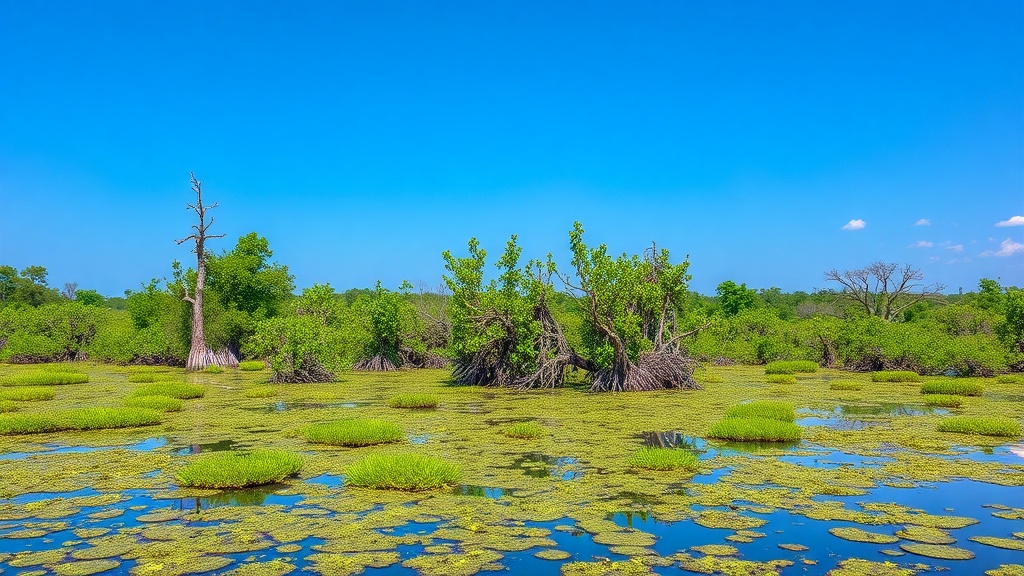
– Coastal resilience projects promote mangrove migration corridors and combine natural infrastructure with engineered solutions to protect shorelines and habitats.
– Citizen science and ecotourism help expand monitoring capacity and build public investment in outcomes.
How to help
– Visit responsibly: Choose guided tours that support conservation and follow park rules to protect wildlife.
– Reduce nutrient runoff: Minimize fertilizer use, install native landscaping, and support local ordinances that limit stormwater pollution.
– Get involved: Support conservation organizations, volunteer for habitat restoration or citizen science, and stay informed about local water management decisions.
– Advocate for policy and funding that prioritize long-term water storage, treatment, and land protection.
The Everglades remains resilient but vulnerable. Restoring its rhythm of water and life requires coordinated science, sustained funding, and community commitment — a practical and inspiring challenge with benefits for nature and people throughout the region.
