
Tampa Bay blends vibrant urban energy with wide sandy beaches, waterfront nature, and a lively food and arts scene — creating a region that appeals to residents and visitors alike. Whether you’re exploring neighborhoods, planning a weekend getaway, or tracking development and resilience efforts, here’s a practical guide to what makes Tampa Bay stand out today.
What to do and see
– Waterfronts and beaches: The region’s coastline is the main attraction.
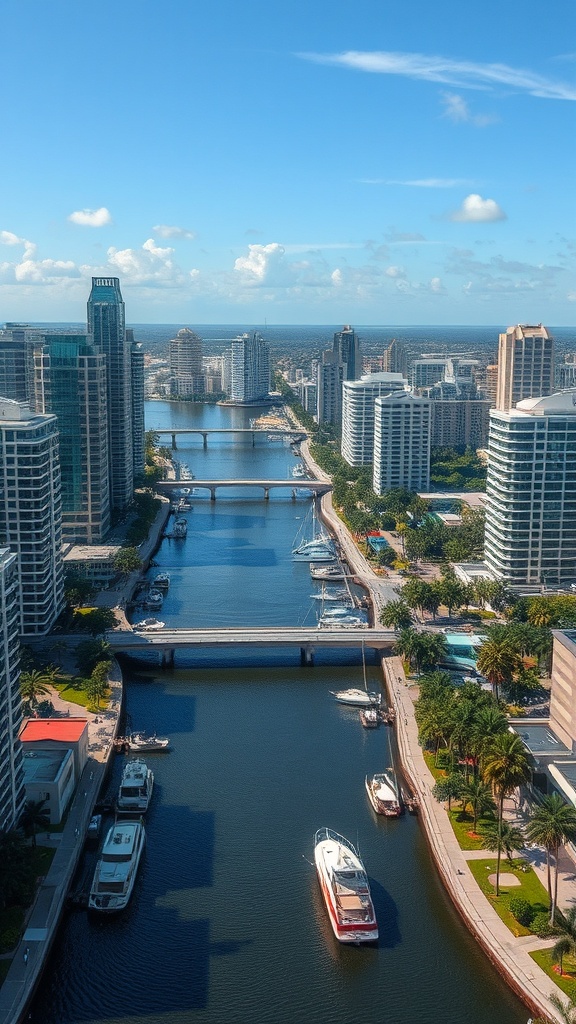
Clearwater Beach and nearby barrier islands offer classic Gulf sand and sunsets, while quieter options like Caladesi Island and Fort De Soto are ideal for shelling, birdwatching, and kayaking. Stroll the St. Petersburg waterfront and the Tampa Riverwalk for parks, public art, and skyline views.
– Neighborhoods: Ybor City retains its Cuban-Spanish heritage and nightlife, while Hyde Park and Tampa Heights offer leafy streets, boutique shops, and dining options. Seminole Heights is a magnet for independent restaurants and craft breweries.
Across the bay, downtown St. Pete blends galleries, murals, and a buzzing culinary scene.
– Culture and family attractions: Museums, theaters, and aquariums provide year-round programming. Outdoor venues and event calendars keep the region lively, with markets, live music, and festivals that highlight local food, music, and culture.
– Sports and events: Fan energy is a big part of local life. Catch a professional game, tailgate culture, or community sporting events throughout the area.
Food and drink highlights
Tampa Bay’s dining scene ranges from iconic Cuban sandwiches and seafood shacks to creative farm-forward restaurants and a strong craft beer trail.
Look for waterfront seafood shacks for fresh catches, and explore neighborhood gems for chef-driven menus. Farmers markets and food halls are great ways to sample local producers and seasonal flavors.
Getting around
A rental car is convenient for beach hopping and exploring the broader region, but the city centers are increasingly walkable and bicycle-friendly.
Streetcar and trolley options help connect key districts, and ferries or water taxis offer scenic alternatives for crossing the bay.
Real estate and urban life
Rapid development and waterfront revitalization have transformed several downtown corridors, bringing mixed-use neighborhoods and new public spaces. That growth is raising interest in transit-oriented living, walkability, and access to parks and waterfront trails. For those considering a move, weigh neighborhood character, commute times, and flood risk when evaluating properties.
Resilience and the environment
Coastal resilience is a central focus across the region. Local governments, community organizations, and utilities are implementing flood mitigation, living shorelines, and mangrove restoration to protect communities and ecosystems.
Homebuyers and property owners are paying more attention to elevation, insurance, and long-term planning as part of responsible stewardship.
Tips for visitors and new residents
– Plan for afternoon heat and sudden storms by scheduling outdoor activities in the morning or later evening.
– Book waterfront restaurants and tours in advance during peak travel times.
– Discover neighborhoods on foot or by bike to find local cafes, murals, and boutiques that don’t always make guidebooks.
– Respect sensitive coastal habitats — use marked trails and local outfitters for guided paddling or wildlife viewing.
Tampa Bay’s appeal lies in its mix of natural beauty, cultural richness, and evolving urban life. Whether you’re here for the beaches, the food, the arts, or long-term living, the region offers a dynamic balance of laid-back coastal lifestyle and metropolitan amenities that reward exploration.
