
Miami has always been a city of contrasts: sun-soaked beaches and energetic nightlife, global culture and neighborhood intimacy, rapid development and environmental vulnerability. For anyone living in or visiting Miami, understanding how the city is evolving — from climate resilience to cultural hotspots — makes it easier to enjoy its unique lifestyle while preparing for the challenges ahead.
Why resilience matters
Miami’s coastal location is a major draw, but it also brings persistent flooding and storm risk. Local efforts focus on both hard infrastructure and nature-based solutions. Expect to see raised roads and seawalls alongside expanded mangrove restoration, permeable streetscapes, and wetland preservation. Homeowners and renters are increasingly prioritizing properties with elevation, flood-resistant materials, and landscape designs that allow water to move without causing major damage.
Practical steps for residents and property owners
– Check flood risk maps and talk to local planners before buying. Neighborhood topography varies, and small elevation differences can matter.
– Invest in resilience upgrades: raised electrical systems, waterproofing ground-level areas, and using flood-resistant finishes in basements and first floors.
– Review insurance carefully. Flood insurance, roof coverage, and loss-of-use provisions can reduce financial shocks after a weather event.
– Embrace landscaping that manages water: native plantings, rain gardens, and permeable paving help absorb runoff and lower property damage.
Neighborhoods and lifestyle
Miami’s neighborhoods each offer a distinct flavor. South Beach is synonymous with beaches, nightlife, and historic Art Deco architecture.
Wynwood attracts art lovers with its murals, studios, and galleries, while Little Havana showcases Cuban culture through food, music, and community events.
For quieter residential life, consider inland neighborhoods that balance city access with lower flood exposure.
Transportation and getting around
Traffic congestion remains a reality, but mobility options are expanding.
The Metrorail and local bus networks provide alternatives to driving, and free neighborhood trolley services make short trips convenient. Micromobility options like e-bikes and scooters add flexibility for short distances. If relying on a car, plan routes with potential flood-prone corridors in mind and consider parking solutions that account for occasional street flooding.
Food, arts, and culture
Miami’s culinary scene is a melting pot, from Cuban cafes and seafood markets to modern fusion restaurants led by creative chefs. Food halls and farmers’ markets make local ingredients accessible, while rooftop bars and waterfront dining highlight the city’s coastal setting. Arts and culture thrive year-round with galleries, design districts, music venues, and community festivals that celebrate Latin American and Caribbean influences.
Real estate and investment outlook
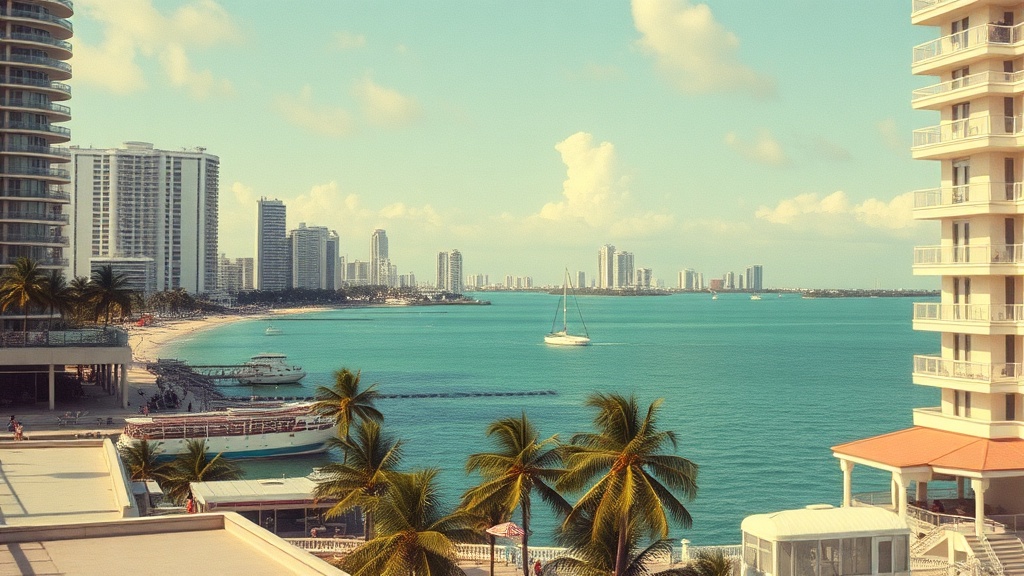
Demand for desirable locations remains strong, but buyers and investors are weighing climate considerations alongside lifestyle. Properties that combine accessibility, elevation, and proximity to green infrastructure are increasingly attractive.
Renovations that improve resiliency and energy efficiency not only protect the home but also enhance resale potential.
Community engagement and staying informed
Local government, neighborhood associations, and resilience organizations often host workshops and public meetings.
Engaging with these groups keeps you informed about infrastructure projects, emergency preparedness plans, and grant programs for home improvements. Staying connected is one of the best ways to protect your family, your property, and your enjoyment of the city.
Miami continues to reinvent itself: a place where vibrant culture meets proactive adaptation. By combining practical preparedness with an appreciation for what makes the city special, residents and visitors can make the most of Miami’s energy and beauty while navigating its environmental realities.
