Protecting the Everglades: Restoring Water Flow, Combating Invasives, and How You Can Help

The Everglades is a living mosaic of sawgrass marshes, mangrove forests, cypress swamps, and coastal estuaries that supports one of the most unique assemblages of wildlife on the planet. This vast wetland functions as a slow-moving river, where rainfall from the interior flows southward, feeding freshwater marshes and Florida Bay. That flow is the system’s lifeblood: it shapes habitats, controls salinity, and sustains species from wading birds to manatees and the elusive Florida panther.
Why water flow matters
Restoring and protecting natural water flow is central to the Everglades’ health. When water is diverted, stored, or polluted, freshwater reaches key habitats less frequently and with lower volume. Reduced flow increases saltwater intrusion into coastal estuaries, harms seagrasses in Florida Bay, and concentrates nutrients that fuel algal blooms. Efforts to reconnect the watershed and improve water quality are focused on sending cleaner, more natural pulses of water through the system so native plants and animals can thrive.
Wildlife and the challenge of invasives
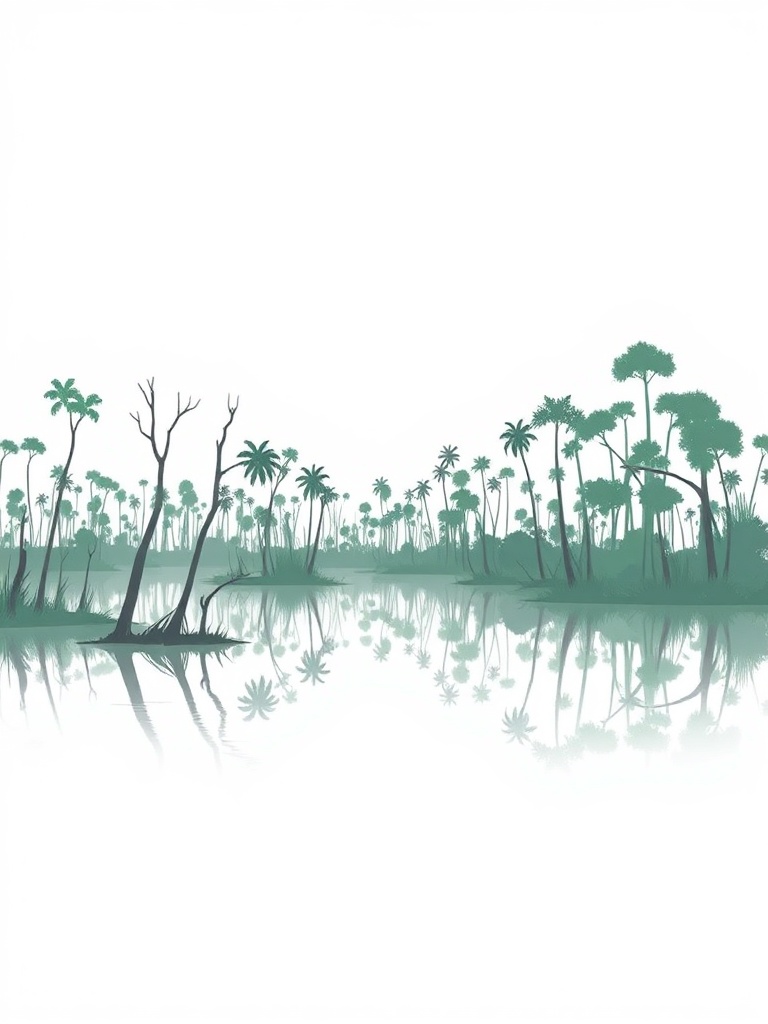
The Everglades is home to iconic species—wading birds like herons and egrets, crocodiles and alligators, manatees, and a diversity of fish and invertebrates. Many species depend on seasonal wet-dry cycles to feed and breed. At the same time, invasive species present a persistent challenge. Non-native plants such as Brazilian pepper and melaleuca alter vegetation structure, while invasive reptiles like the Burmese python have caused dramatic declines in small mammal populations in some areas.
Managing invasives requires ongoing removal, monitoring, and public cooperation to prevent new introductions.
Restoration efforts and community action
Large-scale restoration projects aim to restore more natural water patterns, reduce nutrient pollution, and protect coastal ecosystems. Strategies include creating storage to reduce harmful discharges, improving stormwater treatment to lower nutrient loads, and removing barriers that impede sheetflow.
Success depends on coordination across government agencies, private partners, and local communities.
There are meaningful ways the public can help. Support local conservation organizations, volunteer for habitat restoration and invasive-species removal events, and advocate for policies that prioritize long-term ecosystem resilience. Property owners and businesses can reduce nutrient runoff by managing fertilizers and implementing native landscaping.
Every action that reduces pollution and preserves natural hydrology benefits the Everglades downstream.
Visiting responsibly
The Everglades offers unparalleled outdoor experiences—airboat tours, paddling through mangrove tunnels, birdwatching, and exploring visitor centers where rangers share current conditions and safety tips. When visiting, practice Leave No Trace principles: stay on designated trails, pack out trash, keep a safe distance from wildlife, and follow fishing and boating regulations. Be mindful that some species are sensitive to disturbance, especially during breeding.
Reporting sightings of invasive species to park authorities can also support management efforts.
A fragile system worth protecting
The Everglades faces intersecting pressures from development, fragmented water management, invasive species, and climate-related changes like sea-level rise and altered rainfall patterns.
Yet it also benefits from a robust network of researchers, managers, and advocates working to restore flows, improve water quality, and protect habitat.
By visiting responsibly, supporting conservation initiatives, and reducing local pollution, everyone can contribute to the health of this iconic wetland and the many species—and communities—that depend on it.
