Tampa Bay Waterfront: Balancing Urban Life, Outdoor Recreation, and Climate Resilience

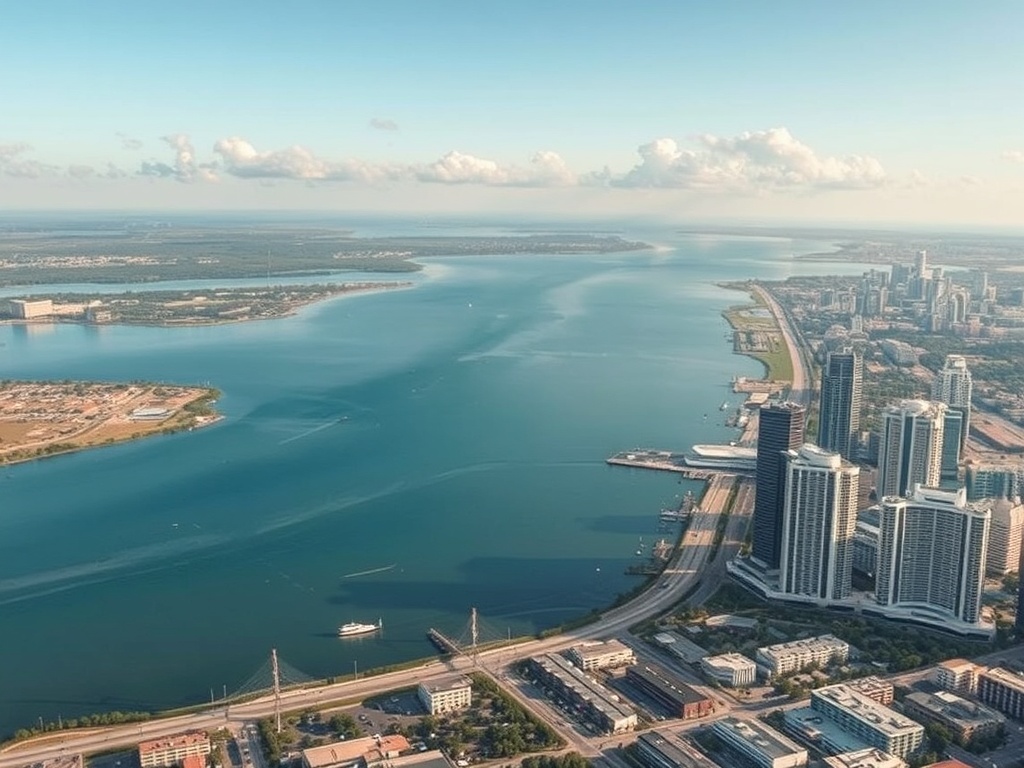
Tampa Bay’s waterfront continues to define the region’s identity—blending vibrant urban life, outdoor recreation, and a growing focus on climate resilience. From the winding Tampa Riverwalk to the sweeping green expanse of Bayshore Boulevard, the area offers a mix of attractions that appeal to residents and visitors while demanding thoughtful planning to protect the shoreline and local ecosystems.
A walk or bike ride along the Tampa Riverwalk showcases how urban design can stitch together culture and nature. Public art, riverside dining, and access points for kayaking and paddleboarding make the waterfront an active, year-round destination.
Bayshore Boulevard, famous for its long continuous sidewalk and scenic views of Old Tampa Bay, is a favorite for joggers, cyclists, and families seeking open-air recreation. These corridors not only boost quality of life but also support local businesses and attract cultural festivals and markets.
At the same time, the Port of Tampa Bay anchors the region’s economy, handling cargo and cruise operations that generate jobs across the metropolitan area. Waterfront development has increased attention on balancing commercial uses with public access and environmental protection. Innovative mixed-use projects and adaptive reuse of industrial sites have expanded opportunities for housing, retail, and green space along the shoreline while maintaining essential freight and marine infrastructure.
Climate resilience is a growing priority for coastal communities around the bay. Rising tides and intense storms put pressure on low-lying neighborhoods, infrastructure, and natural habitats like mangroves and seagrass beds that protect water quality and marine life. Local initiatives increasingly favor “living shorelines”—the use of native vegetation, oyster reefs, and strategically placed rock—to reduce erosion and provide habitat, rather than relying solely on hard seawalls. Improved stormwater management, green infrastructure, and community-led restoration projects are being integrated into development plans to reduce flood risk and bolster ecological function.
Outdoor pursuits remain a signature draw.
The bay and its tributaries offer excellent fishing, boating, and wildlife viewing—dolphins, manatees, and migratory birds are common sights. Nearby barrier islands and Gulf beaches provide classic sun, surf, and shelling opportunities that complement the urban waterfront experience.
For those who prefer land-based exploration, an expanding network of trails and parks connects neighborhoods to waterfront access points, making active transportation a realistic alternative to driving.
Cultural life in the Tampa Bay area thrives alongside nature and commerce.
Museums, performing arts venues, and a growing culinary scene—highlighted by seafood-forward restaurants, a thriving craft-brewery community, and chef-driven dining—create reasons to linger. Neighborhood revitalization efforts have emphasized walkability, historic preservation, and public events that animate streetscapes and support small businesses.
For residents and visitors seeking to support the bay’s future: participate in local cleanups, volunteer with mangrove or oyster restoration programs, and choose waterfront businesses that prioritize sustainable practices. When planning waterfront activities, check local tide and weather advisories and consider low-impact recreation options like kayaking or paddleboarding that leave the shoreline intact.
Tampa Bay’s waterfront is a dynamic crossroads of recreation, commerce, and conservation. By embracing smart development and nature-based solutions, the region can preserve its scenic and economic assets while adapting to changing environmental conditions—ensuring that the bay remains a treasured hub for outdoor life and community connection.
